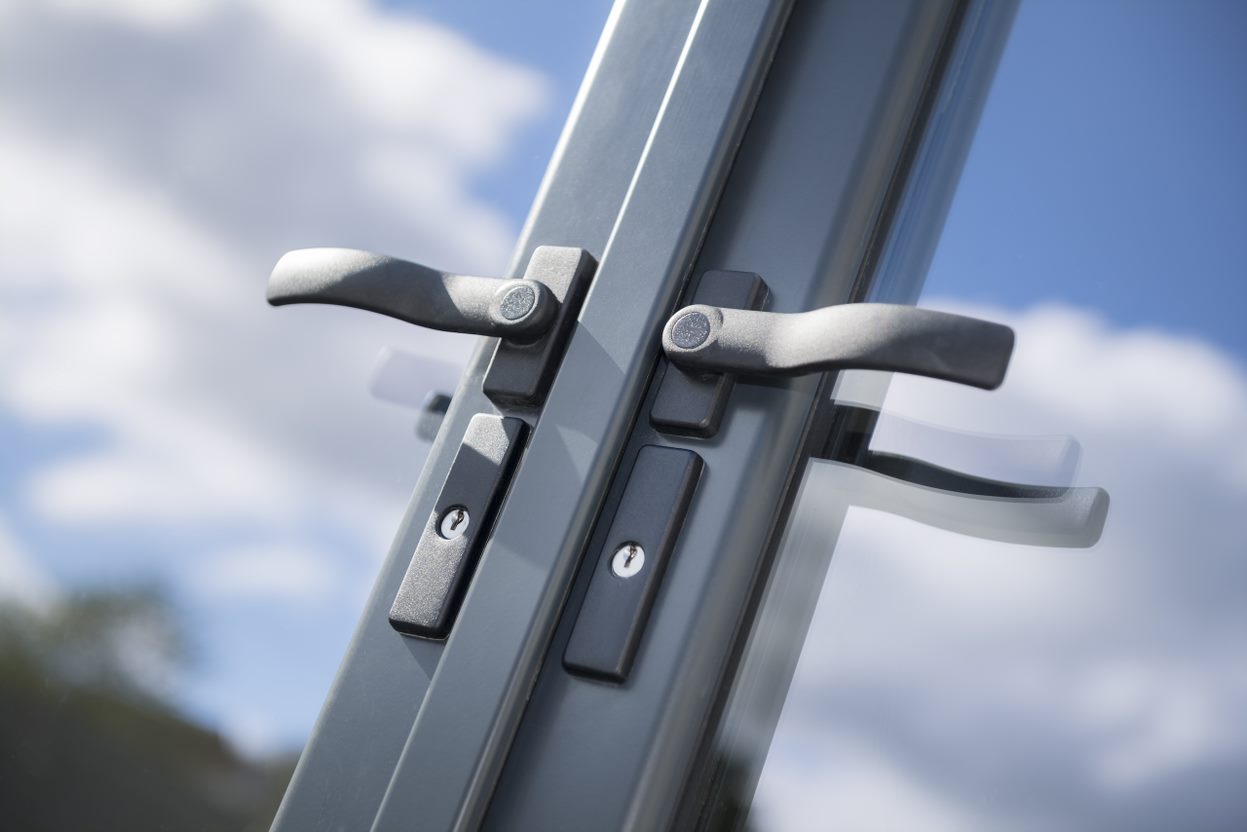
Understanding and Repairing Bifold Door Brackets: A Comprehensive Guide
Bifold doors are a versatile and space-saving service for both property and business areas. They are typically utilized in closets, pantries, and space dividers due to their capability to fold nicely and take up minimal area when open. Nevertheless, like any mechanical system, bifold doors can experience wear and tear with time, especially at the hinges and brackets. This short article explores the importance of bifold door brackets, common problems that emerge, and step-by-step directions for fixing them.
The Importance of Bifold Door Brackets
Bifold door brackets are crucial components that support the weight of the door panels and ensure smooth operation. These brackets are typically connected to the top and bottom of the door frame and are responsible for guiding the doors as they fold and unfold. Without appropriately working brackets, bifold doors can become misaligned, tough to open and close, and even fall off the track.
Common Issues with Bifold Door Brackets
- Loose or Damaged Brackets: Over time, the screws that hold the brackets in place can loosen up, causing the doors to droop or end up being misaligned.
- Worn-Out Hinges: The hinges within the brackets can wear, causing creaking sounds and decreased performance.
- Misaligned Tracks: If the tracks are not properly lined up, the brackets might not work properly, causing the doors to bind or stick.
- Deterioration and Rust: Exposure to wetness can cause brackets to rust, which can damage their structural integrity and result in failure.
Tools and Materials Needed for Repair
Before you begin the repair procedure, gather the following tools and materials:
- Screwdriver (Phillips and flathead)
- Drill and drill bits
- Adjustable wrench
- Lubing oil (such as WD-40)
- Replacement brackets (if essential)
- Sandpaper (for rust removal)
- Paint or rust-resistant finish (if needed)
Step-by-Step Guide to Repairing Bifold Door Brackets
Inspect the Brackets and Tracks
- Action 1: Open the bifold doors completely and inspect the brackets and tracks for any noticeable damage, loose screws, or misalignment.
- Action 2: Check the hinges within the brackets for wear and tear. Try to find indications of rust, creaking, or stiffness.
Tighten Loose Screws
- Step 1: Use a screwdriver to tighten all screws on the brackets. Start from the top brackets and work your method to the bottom.
- Step 2: If any screws are removed or harmed, eliminate them and use a drill to produce new holes. Replace the screws with brand-new ones.
Lubricate the Hinges
- Step 1: Apply a couple of drops of lubricating oil to the hinges within the brackets. Move the doors backward and forward to distribute the oil uniformly.
- Step 2: Wipe away any excess oil with a clean fabric to prevent it from dripping onto the floor or other surface areas.
Align the Tracks
- Action 1: If the tracks are misaligned, use an adjustable wrench to loosen up the screws that hold the track in place.
- Step 2: Gently adjust the track to ensure it is level and straight. Retighten the screws to protect the track in its brand-new position.
Replace Damaged Brackets
- Action 1: If any brackets are harmed beyond repair, remove them by loosening the screws that hold them in location.
- Step 2: Install the new brackets in the exact same position, ensuring they are firmly fastened with new screws.
Get Rid Of Rust and Apply Protective Coating
- Action 1: Use sandpaper to eliminate any rust from the brackets and tracks. Sand up until the surface is smooth and devoid of rust.
- Action 2: Apply a rust-resistant coating or paint to the brackets and tracks to prevent future rust.
Test the Doors
- Action 1: Once all repairs are complete, test the bifold doors by opening and closing them numerous times. Ensure they move efficiently and are correctly aligned.
- Step 2: Make any last changes as required to ensure optimum performance.
FAQs
Q: How typically should I examine and maintain my bifold door brackets?A: It is recommended to inspect and preserve your bifold door brackets a minimum of as soon as a year. However, if you observe any indications of wear or malfunction, it is best to address the concern immediately to prevent further damage.
Q: Can I oil the hinges with any type of oil?A: While any type of oil can provide some lubrication, it is best to use a high-quality lubricating oil such as WD-40. This type of oil is specifically designed to reduce friction and prevent rust, making it ideal for bifold door hinges.
Q: What should I do if the tracks are bent or damaged?A: If the tracks are bent or damaged, it might be essential to replace them. Seek advice from the producer's directions or an expert for assistance on how to replace the tracks.
Q: Can I paint over rust on the brackets?A: It is not advised to paint over rust. Chiswick Bifold Door Repairs can continue to spread under the paint, resulting in further damage. Always remove rust with sandpaper before applying a protective finish or paint.
Q: Are there any preventive measures I can require to extend the life of my bifold door brackets?A: Yes, routine maintenance is crucial. Keep the brackets and tracks tidy and free of particles. Lubricate the hinges regularly, and look for loose screws or signs of wear. Resolve any concerns without delay to avoid more severe problems.
Bifold door brackets are necessary for the smooth operation and durability of your bifold doors. By comprehending common problems and following the steps outlined in this guide, you can efficiently repair and preserve your bifold door brackets. Regular maintenance and prompt attention to any signs of wear will make sure that your bifold doors continue to operate appropriately for several years to come.